Impressionism emerged in the late 19th century as a departure from the meticulous finish of academic painting. Artists sought to record the visual experience of a moment, focusing on the way light changes the appearance of objects and landscapes. Instead of studio-bound compositions, they worked outdoors, observing how sunlight, shadows, and reflections transform a scene within minutes. This approach shifted the painter’s attention from narrative and detail to the interplay of color and illumination, laying the groundwork for modern approaches to painting.
The movement’s name itself came from Claude Monet’s painting Impression, Sunrise, which was criticized for its apparently unfinished, sketch-like quality. Yet that very quality became the hallmark of Impressionism: an emphasis on perception over accuracy. Artists such as Monet, Renoir, Degas, and Pissarro explored how the human eye registers color and form under varying conditions. Their work invites viewers to step back and see a scene as a whole rather than focusing on individual elements. Understanding their methods can offer contemporary painters new ways to think about light and color.
This article examines the core principles behind Impressionist techniques—how they captured fleeting light, used vibrant color juxtapositions, and employed loose brushwork to evoke atmosphere. It also considers how those ideas can be studied and adapted in today’s painting practice, always within the framework of personal exploration rather than rigid rules.
The Science of Light and Color Perception
Impressionists were keen observers of the physical behavior of light. They noted that direct sunlight, diffuse overcast light, and reflective light from surrounding surfaces each produce different color shifts. For example, a white wall may appear tinged with blue in shadow if the sky is clear, or warm yellow under incandescent interior light. Rather than painting objects with a fixed local color, they recorded the colors they actually saw in a given moment. This approach aligns with the principle of simultaneous contrast, where adjacent colors influence each other’s appearance.
One of the most distinctive techniques to emerge from this understanding is broken color. Instead of blending pigments thoroughly on the palette, the Impressionists applied small strokes of pure, unmixed color side by side. From a distance, the viewer’s eye optically mixes these patches, creating vibrant, luminous effects. A canopy of leaves, for instance, might be rendered with dabs of green, yellow, and even blue, producing a shimmering quality that a flat green mixture cannot achieve. This method relies on the viewer’s perception to complete the image, making the act of seeing an active part of the experience.
Modern color theory would later formalize many of these observations, but the Impressionists pioneered them through direct practice. Their work demonstrates that color is not a fixed property but a relational one, dependent on surrounding hues and lighting conditions. For a painter studying these ideas, experimenting with limited palettes and contrasting complements can reveal how drastically light alters color relationships.
Loose Brushwork and Its Purpose
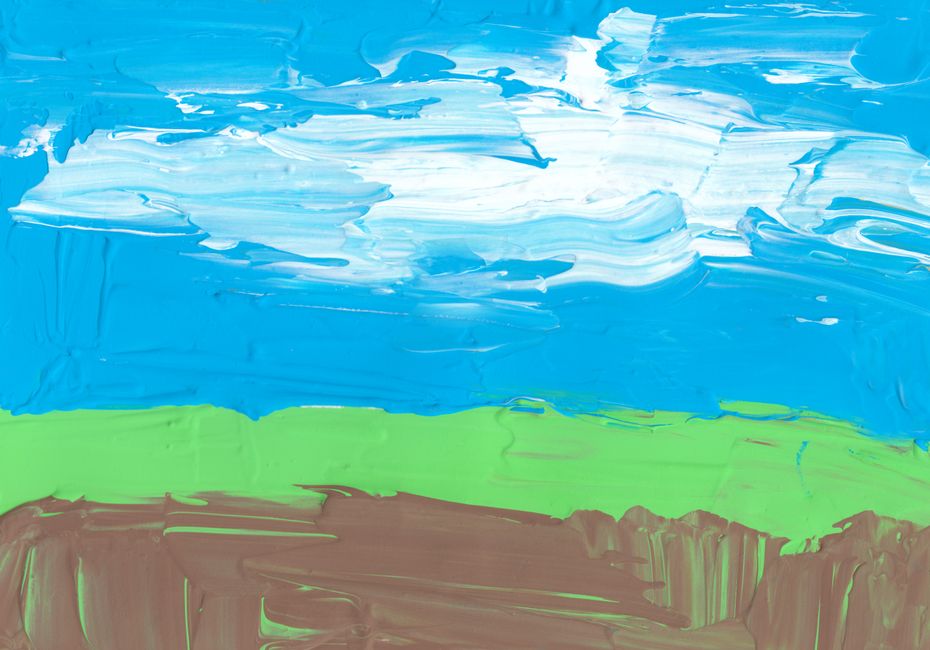
Loose, visible brushstrokes are perhaps the most recognizable feature of Impressionist painting. The brushwork served a dual purpose: to capture the rapid movement of light and to preserve the energy of the artist’s gesture. By using short, thick strokes of paint, often applied without waiting for previous layers to dry (a technique known as wet-on-wet), the artists could record a changing scene quickly. This immediacy was crucial when painting plein air, as the light and shadows could shift in a matter of minutes.
The direction and shape of the strokes also contributed to the sensation of movement. In a painting of a haystack or a water lily pond, the brushwork might follow the form of the object or the flow of the water. In other cases, strokes were applied in a more random, all-over pattern to suggest atmosphere or diffusion of light. The goal was not to imitate the texture of the surface but to translate visual sensation into paint. Consequently, the viewer is more aware of the painting as a physical object—a surface covered with pigment—rather than a window into an illusionistic space.
Modern artists can explore this approach by practicing with larger brushes and more paint, focusing on expressing the essence of a subject rather than its precise contours. This does not mean abandoning accuracy, but rather allowing the paint to carry the emotional and sensory weight of the scene. When brushwork is used expressively, it can convey the flicker of sunlight through leaves or the hazy warmth of a summer afternoon without relying on photographic detail.
Capturing Atmosphere and Transience
Impressionism is deeply concerned with the ephemeral—the way a landscape looks at a specific hour, the reflection of clouds in a pond, the glow of a sunset that fades in minutes. To capture these moments, painters worked quickly and often made multiple studies of the same scene under different conditions. Monet’s series of haystacks, Rouen Cathedral, and water lilies are famous examples of how changes in light and weather transform a single subject into entirely different visual experiences.
Atmosphere was created not only through color and brushwork but also through careful control of value and temperature. Warm hues (oranges, yellows) might dominate in a sunlit area, while cool hues (blues, purples) describe shadows. By exaggerating these contrasts, the Impressionists could suggest the depth of air or the moisture in the atmosphere. The use of a high-key palette—avoiding deep blacks and relying on chromatic grays—helped maintain a sense of lightness and airiness.
For contemporary painters, the lesson is to observe not just the subject itself but the quality of the air and light surrounding it. Painting a series of small studies of the same location at different times of day can train the eye to perceive subtle shifts. This practice encourages a more observational and less formulaic approach, allowing the artist to respond to the unique conditions of each moment rather than relying on invented colors.
“The richness I achieve comes from nature, the source of my inspiration.” — Claude Monet
Practical Approaches for Modern Artists
Applying Impressionist principles today does not require abandoning realism or adopting a specific style. Instead, it involves borrowing the mindset of observation and experimentation. One method is to work with a limited palette that includes the three primary colors plus white, forcing the painter to mix all hues from a few starting points. This can lead to more cohesive color harmonies and a better understanding of color relationships.
Another approach is to practice painting in a series, focusing on the same composition under varying light. A simple still life or an outdoor scene can be painted at different times of day, with each version emphasizing the dominant light source. Through this exercise, the artist learns how light changes warm and cool areas and how shadows shift from soft to crisp. The goal is not to produce a finished masterpiece but to internalize the way light behaves.
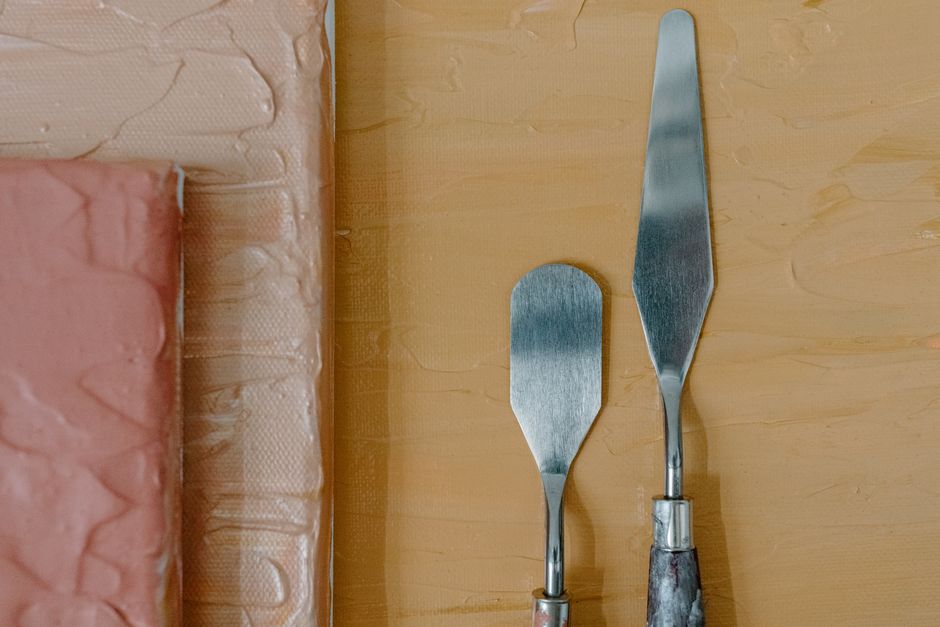
Additionally, loosening brushwork can be explored by using a palette knife or a larger brush to apply paint in broad strokes. The artist may allow the brush to follow the rhythm of the subject, such as sweeping strokes for a flowing river or short dabs for sunlit foliage. Over time, this practice builds confidence in the expressive capacity of paint itself, separate from representational accuracy.
The Role of Materials and Tools
While technique is paramount, the materials a painter chooses can influence the outcome. Impressionists favored oil paints with high pigment concentration and low oil content to keep strokes distinct and textured. They often worked on prepared canvas or panels with a light ground, which helped reflect light through the paint layers. Modern acrylic paints offer similar possibilities, with the added advantage of fast drying that can suit quick, outdoor painting.
Artists seeking to replicate the vibrancy of Impressionist color may explore pigments that have high tinting strength and good lightfastness. Art Spectrum, for example, provides a range of pigments that can support these explorations, though the brand itself is not a requirement. The key is to select colors that remain bright when mixed and that do not turn muddy. A zest for experimentation often leads to unexpected discoveries about how different paints behave under various lighting conditions.
Ultimately, the Impressionist legacy is not a set of rules but an invitation to see the world freshly. By focusing on light and color, and by allowing brushwork to suggest rather than dictate, painters can develop a personal vocabulary that captures their own fleeting impressions. The techniques described here are starting points; each artist will find their own path through observation, practice, and a willingness to embrace the unpredictable.