Choosing the Right Brush for Watercolor Painting
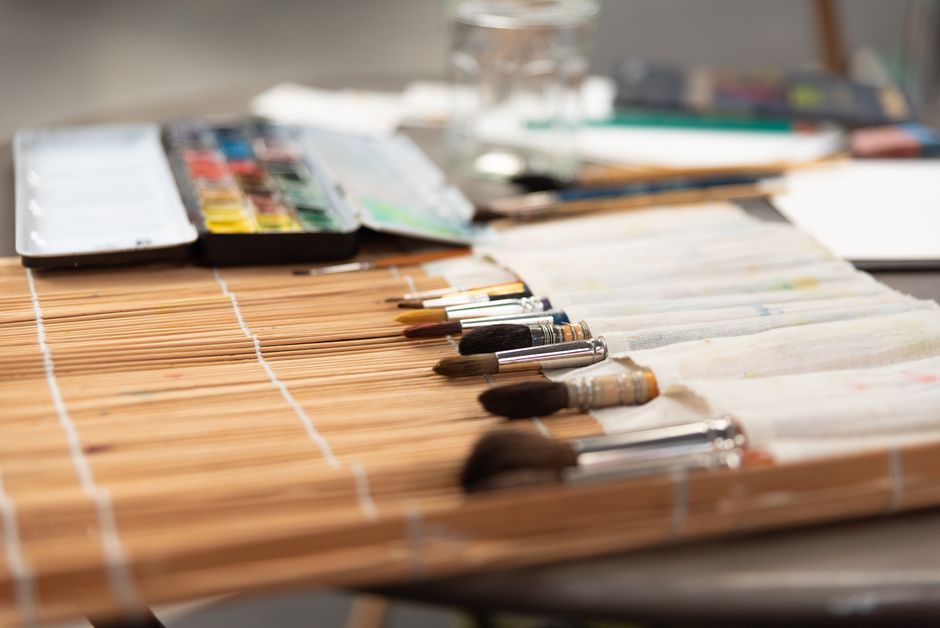
The process of watercolor painting depends on the tools an artist chooses. Among these tools, the brush acts as the primary interface between the painter and the paper. Its shape, size, and bristle composition influence how water and pigment are delivered, how marks are formed, and how color spreads. Understanding the role of each component helps artists make informed decisions when assembling a set of brushes for their practice.
Watercolor requires brushes that can hold a significant amount of liquid and release it gradually as the brush moves across the surface. The way a brush is constructed affects these properties. Different shapes produce distinct stroke types, sizes determine the scale of work, and bristle materials alter water retention and spring. Each factor interacts with the others, so selecting a brush involves considering the combination that suits a particular approach or technique.
By examining brush shapes, sizes, and bristle types in detail, artists can develop a clearer understanding of how these elements contribute to the painting process. This knowledge supports more intentional choices when adding new brushes to a collection or exploring unfamiliar methods.
Understanding Brush Shapes and Their Functions
Brush shape defines the silhouette of the bristles when viewed from the side or tip. Common shapes include round, flat, filbert, and liner, each offering a different relationship between the brush and the paper. Round brushes have a pointed tip that tapers to a fine point, making them suitable for both broad washes and fine details depending on how much pressure is applied. Flat brushes have a square end with straight bristles, producing sharp edges and wide strokes. Filbert brushes combine aspects of both, with a rounded tip that allows for softer edges and varied line widths. Liner brushes are very thin and long, designed for continuous lines.
When watercolor paint is applied, the shape influences how the paint spreads. A round brush holds water in its belly and releases it through the tip, which is useful for controlled strokes and for lifting color. A flat brush distributes water evenly across its width, making it effective for covering large areas with a uniform wash. The filbert shape allows artists to create curved strokes with a soft edge, often used for petals or rounded forms. The liner brush, with its very fine tip, is used for intricate details like stems or small letters.
Other Notable Shapes
Beyond the primary shapes, there are specialty brushes such as mop brushes, wash brushes, and angular flats. Mop brushes are large, soft, and round, capable of holding a great deal of water for wet-on-wet washes. Wash brushes are wide flats specifically designed for covering large paper surfaces quickly. Angular flats have a slanted bristle end, useful for angled strokes and for reaching into corners. The choice between these shapes depends on the specific demands of a painting session, such as the desired texture or the speed of application.
The Role of Brush Sizes in Watercolor Work
Brush sizes are typically indicated by numbers. Smaller numbers correspond to smaller brushes, while larger numbers indicate larger brushes. In watercolor, common sizes range from 0 or 00 for very fine detail work up to 20 or 24 for large washes. The size number is not standardized across all manufacturers, so the actual dimensions can vary slightly between brands. However, the relative scale remains consistent: a size 8 round brush is smaller than a size 12 round brush from the same line.
The size of a brush affects the amount of water and pigment it can hold. Larger brushes cover more surface area and can be used for broad washes, while smaller brushes offer precision for details and small areas. In watercolor, artists often work with a range of sizes to accommodate different stages of a painting. For example, a large flat brush may be used for the initial wash, and a small round brush for adding fine details later. The interaction between brush size and water control is important: a large brush loaded with water can create a puddle that spreads unpredictably, whereas a small brush allows for more controlled application.
Choosing a size also depends on the scale of the work. A small painting on a 6×8 inch sheet may not require a size 20 brush, while a large piece on a 22×30 inch sheet might benefit from a larger brush to complete washes efficiently. Artists typically develop a personal preference for certain sizes based on their typical painting style and the level of detail they aim to achieve.
Bristle Materials and Their Impact on Paint Flow
The bristles of a watercolor brush can be made from natural animal hair, synthetic fibers, or a blend of both. Natural hair brushes are often sourced from sable, squirrel, or goat. Sable brushes are known for their fine points, good spring, and ability to hold a large amount of water. Squirrel hair is very soft and holds a great deal of water, but lacks the spring of sable. Goat hair is coarser and used in certain wash brushes or for specific textural effects.
Synthetic brushes are manufactured from materials such as nylon or polyester. Advances in synthetic technology have produced brushes that mimic some properties of natural hair while offering durability and lower cost. Synthetic bristles can be shaped to hold a fine point and may have good water retention, though the feel on the paper may differ from natural hair. Blended brushes combine natural and synthetic fibers to balance water holding capacity, spring, and resilience.
The choice of bristle material affects how paint flows from the brush onto the paper. A softer brush like squirrel releases water more gradually and may produce softer edges, while a firmer brush like sable provides more control and sharper lines. Synthetic brushes can vary widely; some are designed to be springy and stiff, others to be soft and absorptive. Artists testing different materials often find that certain techniques respond better to one type over another. Water control can be adjusted by changing the amount of water loaded into the brush, but the inherent properties of the bristles also contribute to the behavior of the color.
Additional Considerations for Brush Selection
Beyond shape, size, and bristle material, other aspects of a brush can influence its performance. The ferrule is the metal band that attaches the bristles to the handle. A well-made ferrule prevents the bristles from loosening and keeps the shape stable over time. The handle length and shape affect the balance and comfort of the brush in the hand. Some artists prefer longer handles for controlled strokes, while others use shorter handles for detail work.
Cost is also a factor in brush selection. Natural hair brushes, especially those made from sable, tend to be more expensive. Synthetic and blended brushes offer a more affordable alternative while still providing satisfactory performance for many techniques. The durability of a brush depends on its construction and how it is cared for. Proper cleaning and drying can extend the life of any brush, though natural hair brushes may require more gentle handling to avoid damage to the fine points.
Artists may choose to start with a few versatile brushes, such as a round in a medium size and a flat brush, then expand their collection as they explore different techniques. The process of selection involves trial, observation, and personal preference. Understanding the variables described above provides a foundation for evaluating brushes and making choices that align with one’s own painting goals.